


Established in 2001, Kunshan Yuehong Composite Fabric Co., Ltd is a company specializing in lamination and sewing. Our product range includes waterproof fabrics, mattress protectors, bed covers, bed sheets, and 100% blackout curtains used in homes, hotels, hospitals, and nursing homes.
High Quality
We implement strict inspection standards for every production stage. Our products can withstand over 50 washes in 60-90°C water without leaking, bubbling, or peeling, and retain their original feel and elasticity post-wash. Our products have passed SGS, ITS, and other quality inspection departments, and possess the OEKO-TEX Standard 100 certificate.
Strong Production Ability
We currently have 8 state-of-the-art, wide hot-melt lamination production lines with a monthly capacity of over 2 million meters. We can produce up to a maximum width of 310cm. We export our products to Europe and America, collaborating with worldwide partners such as IKEA, Target, Walmart, and Saferest.
Advanced Equipment
Our facility is equipped with 8 advanced hot-melt wide laminating machines and 50 high speed sewing machines, enabling us to maintain a high level of production efficiency.
Custom Service
We offer samples, quotations, and quality confirmation before you place an order. Our customization service allows you to specify the color, size, texture, and material of the waterproof fabric. In the event of any quality issues, we will actively cooperate to resolve them until the customer is satisfied.
Introduction of Woven Fabric Waterproof TC
Woven fabric is any textile formed by weaving. Woven fabrics are often created on a loom, and made of many threads woven on a warp and a weft. Technically, a woven fabric is any fabric made by interlacing two or more threads at right angles to one another. Woven materials are usually the most cost-effective textiles for a variety of applications. These fabrics can be finished or treated with substances to give them attributes like waterproofing and breathability.

Benefits of Woven Fabric Waterproof
Stability
Compared to woven fabrics, woven fabrics are more stable in size and shape. They are relatively easy to stretch, making them suitable for tailored clothing and accessories where consistency in size is essential.
Durability
The woven fabric has a dense, close-knit weave, which can provide an effective barrier against wind, water, and other environmental factors This characteristic is useful for products such as outerwear, upholstery, and furniture.
Ease of Sewing
Woven fabrics are generally easier to cut and sew as compared to woven fabrics. Their sturdy structure helps prevent unraveling, making them suitable for intricate patterns, custom fabrics, and sewing techniques
Drapability
Depending on the type of weave and fiber used, woven fabrics can exhibit a wide range of capability. Some woven fabrics have a stiff and structured drape, while others can be soft and flowy. This versatility allows them to be used for various garment styles.
Breathability
Many woven fabrics allow air to circulate through the gaps between the yarns, promoting breathability. This characteristic is desirable for clothing worn in warm or humid climates.
Longevity
Woven fabrics tend to have a longer lifespan compared to some other types of fabrics. Their durability and resistance to wear contribute to their longevity, which can be beneficial for applications that require products to last over time.
Easy Care
Depending on the fiber used, woven fabrics can often be easy to care for. They can be machine washed, ironed, and maintained with relatively straightforward care instructions.
Customizability
Manufacturers can customize woven fabrics by selecting different fibers, yarn sizes, weave patterns, and finishes. This customization allows for the creation of fabrics with specific properties tailored to the intended use.
Versatility
Woven fabrics find applications in a wide range of industries, including fashion, interior design, automotive, aerospace, construction, and more. Their versatility makes them suitable for various purposes.
Structured Appearance
Woven fabrics often have a more structured appearance compared to some other fabrics. This characteristic can convey a sense of formality and professionalism, which is advantageous for certain garments and settings.
Types of Woven Fabrics


Buckram Fabric
Buckram Fabric is a stiff-coated fabric made from a lightweight loosely woven fabric, impregnated with adhesives and fillers. This fabric is used as an interface to provide support and shape retention to necklines, collars, belts, cuffs, waistbands, button closures, etc in garments. They are also used as reinforcements for handbags and other articles.
Cambric Fabric
Cambric Fabric is a lightweight fabric woven in plain weave and produced with a stiff finish. It is suitable for women's dresses and children's dresses that require crispness.
Casement Fabric
Casement Fabric is a medium-weight cotton fabric made of closely packed thick warp yarns. Generally, it is used for curtains, table linen, and upholstery and is rarely used for dresses.
Cheese Cloth
Cheese-fabric is a popular lightweight sheer fabric having an open weave. It has a low-count fabric consisting of carded yarns. Originally it was used for wrapping cheese or meat hence the name. It is neither strong nor durable. It is finished in a variety of ways that attract the consumer. It is used not only for women's and children's dresses but also for drapery fabrics. Due to its open structure, it does not require much ironing.
Chintz Fabric
Chintz-fabric is a medium-weight, plain woven cotton yarn. It is often given a glazed finish which may be temporary or semi-permanent glazed chintz is available in a solid colour as well as printed with floral prints. These are often made from blends of cotton and polyester or rayon. They are used for skits, dresses, blouses, pajamas, aprons, and draperies.
Sheeting Fabric
Sheeting fabric are primarily used for bed coverings. They are medium-weight, closely woven fabrics woven either in plain or twin weave. Sheeting fabrics are made in different widths. High-quality cotton sheeting are made in plain weave with a width of 64” x 58” and in a twill weave with a width of 60”x72”.
Common Applications of Woven Fabric
Clothing
Woven materials are extensively used in the fashion industry to make a wide array of garments, including shirts, pants, dresses, and coats. The versatility of these fabrics allows for diverse styles, patterns, and colors in both formal and casual attire.
Home Decor
In interior design, woven fabrics play a vital role in producing items such as curtains, furniture upholstery, bed linens, and tablecloths. They contribute to comfort and style, while also enhancing the functionality of living spaces.
Industrial Purposes
Woven fabrics find applications in industries where strength, abrasion resistance, and stability are required, such as in the production of conveyor belts, airbags, and protective gear for hazardous environments.
Sports and Outdoor Equipment
Woven materials are utilized in manufacturing items like backpacks, parachutes, tents, and sails. These fabrics offer durability, flexibility, and lightweight properties that contribute to the performance and efficiency of the equipment.
Accessories
Woven fabrics are popular choices for fashion accessories like scarves, ties, and bags. The diverse range of textures, patterns, and colors these materials offer allows for unique and eye-catching designs.
Artistic Expression
Woven textiles have been used for centuries in artistic forms such as tapestries, wall hangings, and embroidery. These fabrics serve as a medium for creativity, showcasing intricate designs and cultural heritage.
Floor Coverings
Woven materials are employed in the production of floor coverings like carpets and rugs. These fabrics provide insulation, sound absorption, and visual appeal, with their robust structure and intricate patterns contributing to both durability and elegance.
Spot Cleaning
Before washing this fabric, remove any dirt or debris using a soft-bristled brush or cloth. Avoid using harsh brushes or scrubbing too hard as this can damage the fabric's protective layer.
Washing with Detergent
When washing this fabric, use a mild detergent and chilly water. Avoid using fabric softeners or bleach, as they can damage the waterproof coating. Turn the fabric inside out to protect the waterproof membrane and wash it on a gentle cycle.
Drying and Reapplying Waterproofing Agents
Once washed, hang the fabric to air dry. Avoid drying it in direct sunlight, as this can cause fading and weaken the fabric's waterproofing ability. After drying, consider reapplying a waterproofing agent to maintain its effectiveness.
Mistakes to Avoid When Cleaning Waterproof Fabrics
Using Fabric Softener
Fabric softeners can clog the pores in the fabric, making it less breathable and reducing its waterproofing ability. Avoid using fabric softeners when washing this fabric.
Using Bleach
Bleach is one of the most commonly used cleaning agents in the laundry process to remove stubborn stains. However, the use of bleach can also lead to unwanted issues. Bleach can damage the waterproof membrane and reduce its effectiveness. Avoid using bleach when washing waterproof fabrics.
Ironing
Ironing can damage the fabric's waterproof membrane and can ruin its protective layer. Avoid ironing this fabric, and if necessary, be sure to use the lowest heat setting on your iron. This will help minimize the risk of damage to the fabric's waterproof coating.
How to Store Waterproof Fabrics
Proper Storage Techniques
Store waterproof fabrics in a dry, cool place. Avoid storing them in damp or humid areas, as this can cause mildew growth and damage the fabric's protective layer.
Avoiding Sunlight Exposure
Sunlight exposure can cause fading and weaken the fabric's waterproofing ability. Store this fabric away from direct sunlight.
Manufacturing Process of the Woven Fabric
Spinning the Yarn
The first step in the woven fabric procedure is to spin the yarn. This is done by taking the raw fibers, such as cotton, wool, or silk, and twisting them together to form a continuous strand. This strand is then wound onto a spindle, creating a yarn.
Yarn Preparation
The first step is to prepare the yarn to be used as the warp and weft. This involves winding the yarn onto cones or beams and sizing it to improve its strength and reduce breakage during weaving.
Warping
The next step is to set up the loom by winding the warp yarn onto the back beam of the loom. The warp threads are then threaded through the reed and heddles, which control the movement of the threads during weaving.
Sleying
The warp threads are then grouped into sections called ends and sleyed, or spaced evenly, through the reed to ensure an even distribution of yarn.
Beaming
The warp threads are then wound onto the front beam of the loom, creating the tension necessary for weaving.
Threading
The weft yarn is then threaded through the shuttle, which carries the yarn across the loom from one side to the other.
Weaving
The next step in the woven fabric manufacturing process is weaving, which involves interlacing the warp and weft yarns to form the fabric. This is done using a loom, where the warp yarns are stretched vertically on the loom, and the weft yarns are passed over and under the warp to create a weave pattern. The weft yarns are threaded through the eye of a shuttle, which carries the yarn from one side of the loom to the other. The shuttle moves back and forth, interlacing the warp and weft yarns to form the fabric.
Finishing the Fabric
Once the weaving is complete; the fabric is removed from the loom and undergoes various finishing processes, such as washing, dyeing, sanforizing, heat setting, and pressing. This ensures that the fabric has the desired texture, appearance, and properties.
Quality Control
Finally, the woven fabric undergoes a quality control check. It is a crucial step to ensure that the final product meets the desired specifications and customer expectations. If it passes, it is then packaged and shipped to the customer.
Methods Involved In Making Fabrics

Weaving
Weaving is the interlacing of warp and loading yarns vertically to each other. There are an infinite number of methods of interlacing warp and filling yarns. Each way results in a distinct fabric structure. Around 70% of the fabrics produced in the world are woven fabrics.
Braiding
Braiding is the easiest way of fabric creation. A braided fabric is created by diagonal interlacing of wools or yarns. Although two sets of yarns are concerned in the procedure, these are not termed warps and fillers as in the case of woven fabrics. Each set of yarns drives in the opposite direction. Braiding does not demand filling insertion, shedding, or beating up.
Knitting
Knitting refers to the interloping of one yarn design into perpendicular columns and horizontal rows of coils called wales and courses, respectively. There are two primary types of knitting: weft knitting and warp knitting. Buy slub fabric and use it for craftwork projects like bedcovers and pillows.
Tufting
Tufting is the method of fabricating some types of carpets and similar structures. In this procedure surface yarn system of loops is 'stitched' or 'sewn' through an immediate backing fabric, usually a woven or nonwoven fabric. The loops are placed in vertical rows and horizontal stitches. The fabric is generally back-coated in a later function to ensure tufted loops.
Bonding
Bonding is the process of manufacturing nonwoven using textile, extrusion, paper, or various technologies to form and bond fibers, filaments, polymers, yarns, or combination sheets into a flexible, absorbent structure. Some nonwoven derivatives are subjected to both the paper and textile industries. There are also options to Buy Spandex fabric online for athletic wear.
Sizing
Sizing, called cutting, covers a warp sheet with a size solution. The application of size fabric helps enhance the warp's mechanical properties and decrease the bruise and yarn's elasticity. The part of the sizing material relates to the yarn's perseverance, hairiness, and linear viscosity and its manners during weaving. Another primary goal of this process is to get the whole ends on a weaver's beam, fusing the ends of all warp shafts. The application of sizing content results in the following properties high yarn strength, low flexibility, low bruise, increased smoothness, and negligibly hairiness.
Differences Between Knit and Woven Fabrics
Structure
The structure of knit and woven textiles is one of their main distinctions. The yarns used to make knit textiles are interloped to form a network of linked loops. On the other hand, woven textiles are made by weaving together the warp and weft strands at an angle. The properties and behavior of the fabric are influenced by this underlying structural variation.
Stretch
Knit materials are renowned for their ability to stretch and return to their original shape. They are therefore perfect for clothing that has to be flexible and comfortable, like sportswear. Woven textiles, on the other hand, have little flexibility and are difficult to recover to their previous shape after stretching.
Aesthetics
Compared to woven fabrics, knit materials frequently seem more relaxed and textured. Woven materials seem smooth and structured, however the loops in knit fabrics may provide various surface textures. The decision between knit and woven fabrics is influenced by the desired aesthetic and the fabric's intended usage.
Comfort and Breathability
Due to their natural stretch-ability and breath-ability, knit materials are often more breathable and pleasant than woven fabrics. Stretchy knit materials make it easy to move about, and its open design promotes ventilation, whereas woven textiles are more robust and may be less breathable.
Durability
Compared to knit materials, woven fabrics are often more enduring and resistant to tearing. In woven textiles, the strands are interlaced to form a sturdy structure that can endure frequent usage and washing. Despite being cozy, knit textiles may be more prone to snagging or pilling.
Our Certificate

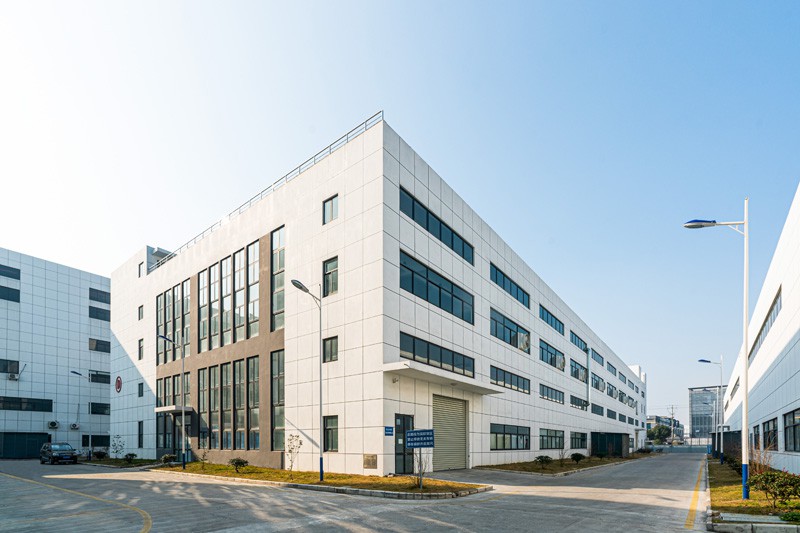
Our Factory



FAQ
Q: What is woven fabric?
Q: What are the benefits of woven fabric?
Q: How is woven fabric made?
Q: What are the types of woven fabric?
Q: What is the waterproof fabric used for?
Q: What are the techniques of fabric production?
Q: What is the structure of woven fabric?
Q: What are the classifications of woven structures?
Q: How to identify fabric structure?
Q: What are the four structural elements of fabric?
Q: What are the different types of fabric structures?
Q: What is a woven structure called?
Q: What is the purpose of woven fabric?
Q: What are the main characteristics of woven fabric?
Q: What are the factors affecting woven fabric?
Q: What are woven fabric properties?
Ease of Sewing: Their sturdy structure helps prevent unraveling, making them suitable for intricate patterns, custom fabrics, and sewing techniques
Drapability: Depending on the type of weave and fiber used, woven fabrics can exhibit a wide range of capabilities. Some woven fabrics have a stiff and structured drape, while others can be soft and flowy. This versatility allows them to be used for various garment styles.
We're professional woven fabric waterproof t/c manufacturers and suppliers in China, specialized in providing high quality customized service. We warmly welcome you to wholesale cheap woven fabric waterproof t/c for sale here from our factory. Contact us for free sample.
Quilted Waterproof Fabric, 100 Polyester Fabric Waterproof, 100 Polyester Waterproof Fabric