


Established in 2001, Kunshan Yuehong Composite Fabric Co., Ltd is a company specializing in lamination and sewing. Our product range includes waterproof fabrics, mattress protectors, bed covers, bed sheets, and 100% blackout curtains used in homes, hotels, hospitals, and nursing homes.
High Quality
We implement strict inspection standards for every production stage. Our products can withstand over 50 washes in 60-90°C water without leaking, bubbling, or peeling, and retain their original feel and elasticity post-wash. Our products have passed SGS, ITS, and other quality inspection departments, and possess the OEKO-TEX Standard 100 certificate.
Strong Production Ability
We currently have 8 state-of-the-art, wide hot-melt lamination production lines with a monthly capacity of over 2 million meters. We can produce up to a maximum width of 310cm. We export our products to Europe and America, collaborating with worldwide partners such as IKEA, Target, Walmart, and Saferest.
Advanced Equipment
Our facility is equipped with 8 advanced hot-melt wide laminating machines and 50 high speed sewing machines, enabling us to maintain a high level of production efficiency.
Custom Service
We offer samples, quotations, and quality confirmation before you place an order. Our customization service allows you to specify the color, size, texture, and material of the waterproof fabric. In the event of any quality issues, we will actively cooperate to resolve them until the customer is satisfied.
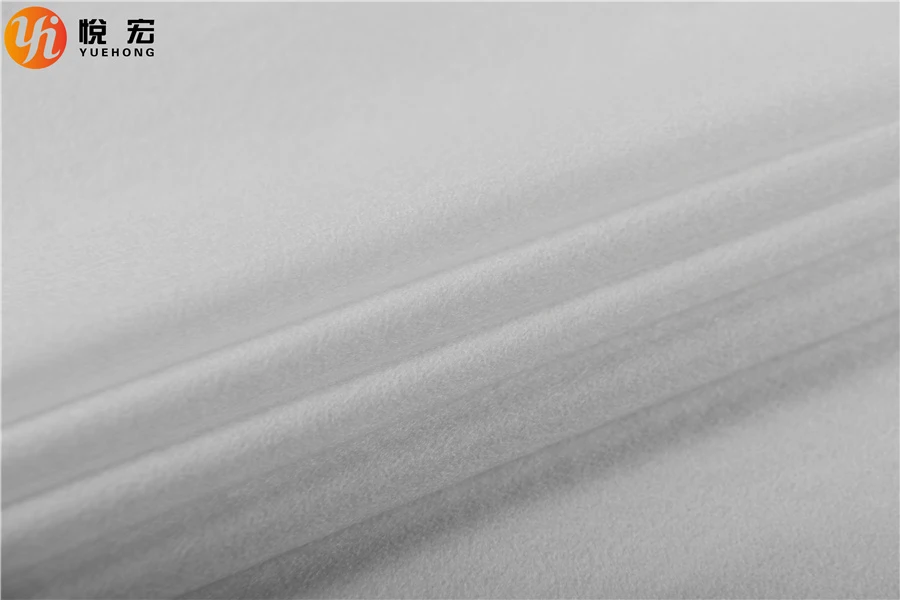
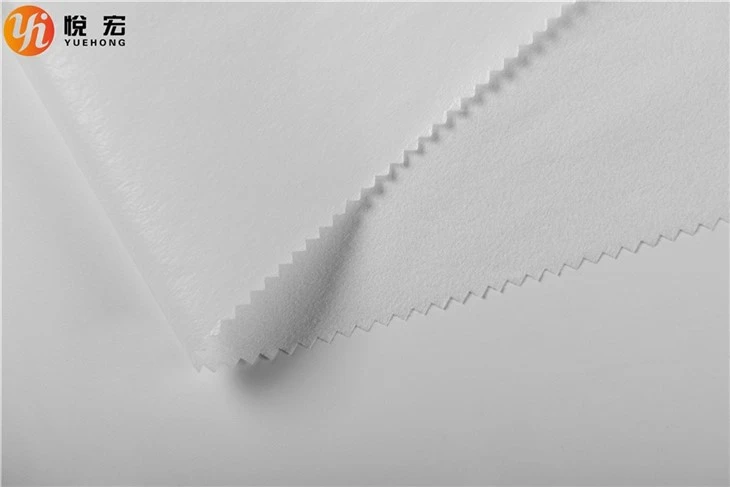
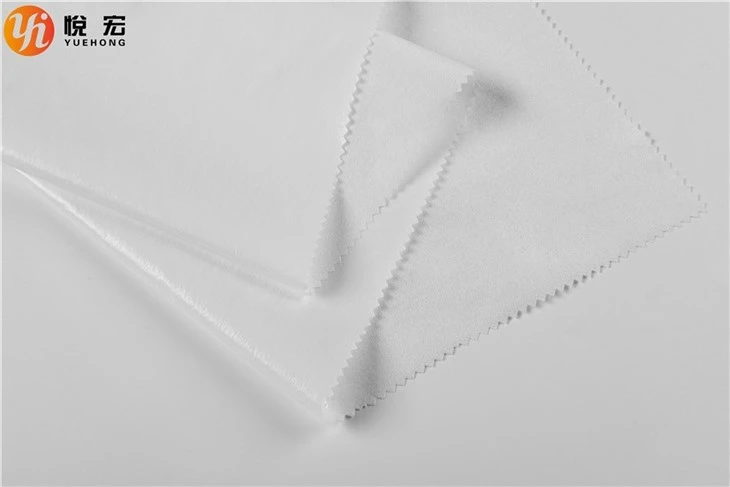
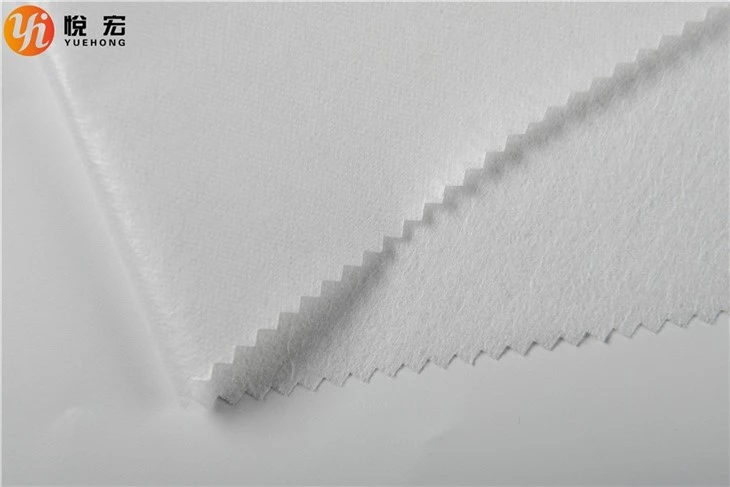
What Is Waterproof Lining Fabric
Lining fabric is a thin layer of material that is used to cover the interior of clothing items. It is often constructed of a silky, thin cloth that is sewn inside the garment to improve the fit, comfort, and look of the garment.


Features of Waterproof Lining Fabric
Structure
Lining fabric may offer extra structure and support to clothing, assisting it in maintaining its form and silhouette. This is crucial for structured clothing, such as blazers and jackets, which may need more support to keep their form and fit.
See-through
It helps lessen static cling and avoid see-through. This is crucial for lightweight, thin textiles like silk that are prone to static cling and being see-through.
Protection
Sweat and oils can damage and discolor exterior fabrics over time, so the lining fabric can help shield it. Especially clothing that is worn near the body, such as dresses and blouses.
Extra Warmth
Lining fabric is a very common option for winter clothes since it may give extra warmth when it is cold outside. Plus, an additional layer of insulation provided by a lining composed of a warm material, such as flannel or fleece, may keep the user warm and cozy even in the subfreezing cold.
Comfortable
A very important benefit of using lining fabric is the increase in comfort. For example, a dress or shirt with a silk lining may feel softer and more sumptuous on the skin than one with a cotton lining, which also adds breathability and lessens irritability. Plus, certain kinds of outside fabrics may cause itching or irritation, which may be avoided by using lining fabric.
Structure of Waterproof Lining Fabric
2-Layer Construction
This type of construction means that the waterproof membrane or coating is applied directly to the inside of a tough and durable face fabric, making up one layer. The other layer is a liner usually made of a moisture-wicking fabric or mesh. This protects the inside of the waterproof layer. These tend to be moderately priced. They're a great choice for urban adventurers because they're durable and breathable. They may be a bit heavier than the other construction types, but they do pack nicely and are small for easy stowing.
2.5-Layer Construction
As in the 2-layer construction, here a waterproof membrane or coating is applied directly to the inside of a face fabric. Then a protective layer is printed directly on the membrane to minimize abrasion on the waterproof surface. This is the half layer in the 2.5-layer construction. Clothing made with this type of waterproof breathable fabric tends to be the lowest price and the lightest weight. However, it's not as durable as 2-layer or 3-layer construction. As a result, you may find yourself shelling out for your rain shells over time.
3-Layer Construction
These fabrics feature a durable face fabric with a waterproof membrane applied directly to the inside (no coatings here). A fabric inner liner is then adhered directly to the waterproof membrane. This forms a sandwich with protective fabric on either side of the waterproof membrane. Clothing made with this fabric has the best performance, breath-ability, and durability. It's also the priciest. If you're a rugged outdoors enthusiast, or you just want a layer that will last for a very long time, this could be the right construction for you.
Types of Lining Fabrics
Natural Fibers
Silk Lining
Silk is Known for its unparalleled softness and luxurious appeal, and silk lining is a popular choice for a range of clothing items, including delicate textiles such as summer blouses, lingerie, and kimonos. With its elegant sheen and lightweight texture, silk habotai adds a touch of sophistication to any garment. However, it's important to note that silk lining may require delicate handling and is not suitable for warmer climates.
Cotton Lining
Cotton lining, valued for its softness and breathability, is a versatile option for various clothing projects. This fabric is machine washable and offers a comfortable experience against the skin. Despite its advantages, it is essential to be mindful of its tendency to wrinkle easily and shrink after washing, making pre-washing a crucial step in the sewing process.
Wool Lining
The wool lining is renowned for its excellent insulation properties, providing warmth and comfort in colder climates. Although it offers breathability and a soft texture, it can be prone to itchiness and requires specialized care, making it more suitable for specific garments designed for cooler seasons.
Artificial Fibers
Cupro Lining
Cupro, also known as "Bemberg," combines the best of both silk and cotton, offering a durable and breathable fabric that mimics the luxurious feel of silk. This all-season material provides comfort and versatility, making it a popular choice for various clothing items, particularly men's jackets, vests, and pants. However, it's essential to handle cupro lining with care, as it is susceptible to staining and may not be as durable as other options.
Acetate Lining
Acetate lining, while less glossy than polyester, is known for its breathable nature, making it a suitable choice for various clothing projects. However, it is crucial to note that acetate lining may be susceptible to wear and tear and can wrinkle easily, necessitating careful handling and maintenance to preserve its quality over time.
Synthetic Fibers
Polyester Lining
Polyester lining, known for its glossy and soft texture, is a common choice for many clothing items due to its affordability and wrinkle-resistant properties. However, it is important to consider that polyester may not offer the same level of breathability as other fabrics, and it can retain odors, potentially causing discomfort during hot weather.
Viscose and Rayon Lining
Viscose and rayon linings, prized for their breathability and soft, silk-like feel, are popular choices for a range of clothing projects. Despite their advantages, these fabrics may require special care during washing to prevent shrinking and maintain their quality over time.
Application of Waterproof Lining Fabric
Clothing
Lining fabric is commonly used in clothing to add structure and comfort. It can be used to line the inside of jackets, coats, blazers, skirts, and dresses. The lining fabric helps the garment to retain its shape, prevents wrinkles, and provides a smooth finish against the skin.
Home decor
Lining fabric is a great choice for home décor projects. It can be used to line the inside of curtains, pillows, and duvet covers. Lining fabric helps to give these items a professional finish, while also adding some extra insulation to keep out drafts.
Quilting
Lining fabric is an essential component of a quilt, as it provides structure and stability to the design. It is typically used to line the back of the quilt and helps to keep the batting in place.
Costuming
Lining fabric plays an important role in costume design, helping to create the desired shape and structure of the garment. It can be used to line sleeves, collars, and bodices, as well as provide a clean finish to the overall design.
Acetate: Hand Wash And Air Dry
Acetate is one of the more delicate fabrics. It will wrinkle easily and may melt when exposed to high heat. While washing an item made of acetate, use lukewarm water and don't wring the water out of it after rinsing it, as wringing can cause the fabric to wrinkle. While drying, you can either lay the item flat on a towel or hang it on a hanger in an open area.
Cotton: Hot Water And Warm Tumble-Dry
Cotton fabrics should be washed in hot water. Use a mild soap, and make sure to treat any spots or stains as soon as you notice them. To prevent wrinkles, tumble dry using warm air. Remove the cloths immediately as soon as the dryer turns off to prevent wrinkling and then hang or fold it. If a cotton item becomes wrinkled while in the closet, toss it in the dryer with a moist rag and allow it to tumble until the rag is dry and the wrinkles are gone.
Linen: Cool Water And Air Dry
Linens are rather easy to care for. Wash in cool water and hang on the line to dry. While you can dry them in a dryer, you will have to use the lowest heat setting possible. Linens are another type of fabric that will hold tight to stains. As soon as a stain is noticed, treat and wash immediately. If linens end up wrinkled, you can iron them using a low heat setting.
Polyester: Cool Wash And Tumble Dry Or Air Dry
Polyester is an extremely versatile fabric and is often used in blends for added durability. Polyester and polyester blends can be washed in cool water in a mild setting. Use a mild detergent and stain remover if needed. Polyester fabrics can be air-dried or tumble-dried on a low to medium heat setting. If you air dry a polyester garment or fabric, you will need to either lay it flat or hang it up to prevent wrinkling. While drying polyester fabrics in a dryer may not result in wrinkles, it is still important to hang the items up as soon as they are dry so that they don't develop an odor.
Silk: Hand Wash/Cool And Cool Tumble Dry Or Air Dry
Silk is one of the most delicate fabrics in use. It is preferable to hand wash silk in cool water, but it can be machine washed in a very mild setting. It is essential to remove silk items from the washer as soon as the rinse cycle is finished to prevent wrinkling. Silk can be tumble-dried on a cool setting or air-dried. It must be hung up immediately after being removed from the dryer to prevent wrinkling.
Wool: Hand Wash And Air Dry
Wool is one of the most versatile fabrics available, but it is also one of the more difficult ones to clean. Hand-washing wool in cool to lukewarm water is preferred. When drying wool, you need to hang it out to dry or lie it flat on a towel. Any amount of heat could cause the fabric to shrink or lose its shape.
Process of Waterproof Lining Fabric
Whether it's a synthetic fabric, cotton-based fabric, or another type of natural fabric, all fabric manufacturing begins with raw materials. These materials are cultivated and harvested from various sources, be it cotton, wool, leather, flax, hemp, or silk. From here, the raw materials are spun into yarn and thread. While done by hand in the past, spinning wheels account for this process today. As the spinning wheels move, the fibers collect on a bobbin, which connects to another machine for the fibers to continue along their journey.
Once spun into threads, the fabric fibers now become usable yarn. Each individual thread weaves together to form a fabric. Weaving occurs on a loom, which is a machine that holds the threads under tension to facilitate the interweaving of the threads. Back-and-forth motions interlace the yarn, and rapier-type weaving machines lift the thread and then carry it to another loom machine that pulls it across. These machines ensure high speeds and reliability with great versatility, depending on the fabric you weave.
Knitted fabrics have their own fabric manufacturing process different from weaving. Knitting requires a series of needles that interlock loops of yarn via lengthwise rows called wales and courses. Most knitted fabrics use a circular machine with fixed needles on a rotating cylinder. As this cylinder turns, the needles form stitches to produce a tubular fabric ranging from 9” to 60” in diameter. Some knitting machines might use over thousands of needles to produce multiple cones of yarn at once. Another type of knitting machine, flat knitting machines, can make millions of stitches a minute that drop or add stitches automatically to conform to different shapes.
Finally, the knitted or woven yarn goes through a finishing process. Often, these fabrics are filled with impurities and debris that must be cleaned off. Bleach purifies the base color, while various chemicals and cleaners remove leftover oils, wax, and other matter. Finished fabrics also go through a mercerization process, which increases the pore size on the fabric threads to make it easier to dye. The mercerization process is a lye solution that allows bright or bold colors on the fabric. Afterward, the fabrics are stretched and pulled to accept more color. Then, it's dried and prepared for shipment.
Consider The Nature Of Your Project
Is it a fashion item, a piece of home decor, or a craft project requiring knitted fabric? The fabric that suits a summer dress may not be suitable for a winter coat. Similarly, a fabric that is perfect for a quilt may not work for a tapestry. Hence, align your fabric choice with the type of project.
Know The Requirements Of The Fabric
Every fabric has unique requirements. Some may need special care, such as hand washing or dry cleaning. Others may need certain sewing techniques or needles. Understanding these requirements can help you decide whether you have the necessary skills and resources to work with a particular type of fabric.
Test The Fabric
Before buying in bulk, consider purchasing a small fabric sample first. This gives you a chance to test how it handles, how it drapes, how it reacts to different stitches, and so forth. Getting a first-hand feel of the fabric can inform your choice a great deal.
Balance Cost With Quality
As much as you would want the best quality for your project, it's important to work within your budget. High-quality fabrics tend to be more expensive, but they also offer better results and extended durability. Analyze your budget and determine what quality of fabric is affordable yet still delivers on key parameters like quality and durability.
Understand The Fabric's Sustainability
If you value eco-friendliness, consider choosing sustainable fabrics. Sustainable fabrics, such as those made from organic cotton or recycled materials, have less impact on the environment than their non-sustainable counterparts.
Our Certificate

Our Factory




FAQ
Q: What is a lining fabric?
Q: What does lining fabric do?
Q: Are there eco-friendly lining fabric options?
Q: Is it important to consider breathability in lining fabrics?
Q: Are there any fabrics that should always be dry-cleaned?
Q: What is the most sustainable waterproof fabric?
Q: What are the benefits of waterproof fabric?
Q: What are the properties of waterproof materials?
Q: What are the features of waterproof fabric?
Q: What are lining component patterns?
Q: Why use a lining in garment?
Q: What are aims and objectives of linings?
Q: Is polyester lining waterproof?
Q: Is nylon lining waterproof?
Q: Why is polyester used for lining?
Q: What are types of fiber used in lining and their properties?
Rayon: Rayon linings have properties like those of viscose but are weaker.
Polyamide: Polyamide linings give exceptional tensile strength and a comparatively high degree of elongation, and good affinity for dyes. Some solvents used for dry cleaning have harsh effects on the fabric which is the main limitation of polyamide fibers.
Polyester: Polyester fibres are like polyamide linings with respect to their properties. Apart from a few lining materials made of polyamide, lining material from other synthetic fibers are not affected by dry cleaning and can be pressed up to a temperature of 170°C.
We're professional waterproof lining fabric manufacturers and suppliers in China, specialized in providing high quality customized service. We warmly welcome you to wholesale cheap waterproof lining fabric for sale here from our factory. Contact us for free sample.
Waterproof Terry Cloth, Poly Knit Fabric for Summer, Tencel Fabric Laminated TPU Waterproof Fabric