


Established in 2001, Kunshan Yuehong Composite Fabric Co., Ltd is a company specializing in lamination and sewing. Our product range includes waterproof fabrics, mattress protectors, bed covers, bed sheets, and 100% blackout curtains used in homes, hotels, hospitals, and nursing homes.
High Quality
We implement strict inspection standards for every production stage. Our products can withstand over 50 washes in 60-90°C water without leaking, bubbling, or peeling, and retain their original feel and elasticity post-wash. Our products have passed SGS, ITS, and other quality inspection departments, and possess the OEKO-TEX Standard 100 certificate.
Strong Production Ability
We currently have 8 state-of-the-art, wide hot-melt lamination production lines with a monthly capacity of over 2 million meters. We can produce up to a maximum width of 310cm. We export our products to Europe and America, collaborating with worldwide partners such as IKEA, Target, Walmart, and Saferest.
Advanced Equipment
Our facility is equipped with 8 advanced hot-melt wide laminating machines and 50 high speed sewing machines, enabling us to maintain a high level of production efficiency.
Custom Service
We offer samples, quotations, and quality confirmation before you place an order. Our customization service allows you to specify the color, size, texture, and material of the waterproof fabric. In the event of any quality issues, we will actively cooperate to resolve them until the customer is satisfied.
What Is Waterproof Jacquard Knit Fabric
What sets jacquard fabric apart from other textiles is its elegant, double-sided pattern that is achieved by the fabric being woven on a Jacquard loom, or in a similar style by hand. Rather than being printed, embroidered, or stamped, jacquard's intricate pattern is woven into the fabric itself as it is being manufactured. Jacquard fabric commonly features a repeating motif consisting of floral, damask, check, or striped patterns. Additionally, the jacquard fabric is double-sided, featuring a second, reverse-colored pattern on the backside.


Features of Waterproof Jacquard Knit Fabric
Artistic Patterns
The hallmark of Jacquard knit fabric lies in its intricate and customizable patterns. These patterns can range from elaborate floral motifs to geometric shapes, creating visually stunning textiles.
Texture and Depth
The use of varying stitches and patterns adds depth and texture to the fabric, enhancing its tactile appeal.
Elegance
The intricate designs and attention to detail in Jacquard knit fabric exude an air of elegance and luxury, making it a favored choice for high-end apparel.
Durability
Depending on the fiber composition, Jacquard knit fabric can be both durable and long-lasting, making it suitable for a range of applications.
Stretchy And Flexible
Since knit fabric forms from a series of loops, it's incredibly stretchy and can stretch both in width and length. This fabric type works well for zipperless, form-fitting clothing items. The texture of knit fabric is also flexible and unstructured, so it will conform to most shapes and drape or stretch over them.
Wrinkle-Resistant
Due to knit fabric's elasticity, it's very wrinkle-resistant—if you crumple it into a ball in your hand and then release it, the material should spring back into much the same shape it had before.
Soft
Most knit fabrics are soft to the touch. If it's a tight-knit fabric, it will feel smooth; if it's a looser-knit fabric, it will feel bumpy or ridged due to the ribbing.
Easy To Maintain
Knit fabric doesn't require a lot of special care like hand-washing and can easily handle machine-washing. This fabric type doesn't require ironing, since it's generally wrinkle-resistant.
Weft Knit Fabric
To get an idea for the method of weft knitted fabrics, just think about hand-knitted sweaters where the material is made by weaving yarn or threads around itself. So when you're looking at a weft knit fabric, the weave pattern of the fabric has a very obvious V shape. Weft knit fabric is the most common type of knit fabric you'll see in your day-to-day life. It is made by a circular knitting machine and it is not as resilient as warp knits. The fabric is easier to disassemble and if there is a hole in the weft-knit fabric, then it is easier for the hole to grow over a shorter period. However, weft knits are the most easily stretched knit fabric when not using elastic materials.
Warp Knit Fabric
Warp-knitted fabric is also made by weaving yarn or threads around itself, but the pattern is a bit more complicated. The V shape of the threads is not as obvious, but the patterns are also like stripes. Before making a warp knit fabric, the individual threads must be straightened from their spools to a warp beam where all the separate threads can then be knit together. Because warp knits are made with many threads being knit together simultaneously, it is produced much faster and in bigger quantities than weft knits. Warp knits are stronger compared to weft knits.
Flat Knit Fabric
The basic idea of flat knit fabric is similar to weft knits, but the length and width of these knits are limited, so flat knits are often used for collars, cuffs, hems, socks, and gloves.
Wool Jacquard
Wool jacquard fabrics are great for making tapestries. Thanks to their insulative properties, they are also commonly used to make cold-weather garments like gloves and sweaters.
Cotton Jacquard
Jacquard fabrics that feature cotton are made using jacquard looms. They are the most affordable fabrics that are made using this method. Cotton is also less complex and a great alternative to linen Jacquard fabrics.
Silk Jacquard
Silk is the most luxurious jacquard fabric. Jacquard fabrics that feature silk are often used to make more complex tapestries and brocade patterns.
Synthetic Jacquard
Synthetic or polyester jacquard is an affordable alternative to cotton, silk, or wool. However, despite being affordable, this fabric is low-quality and can negatively impact the environment.
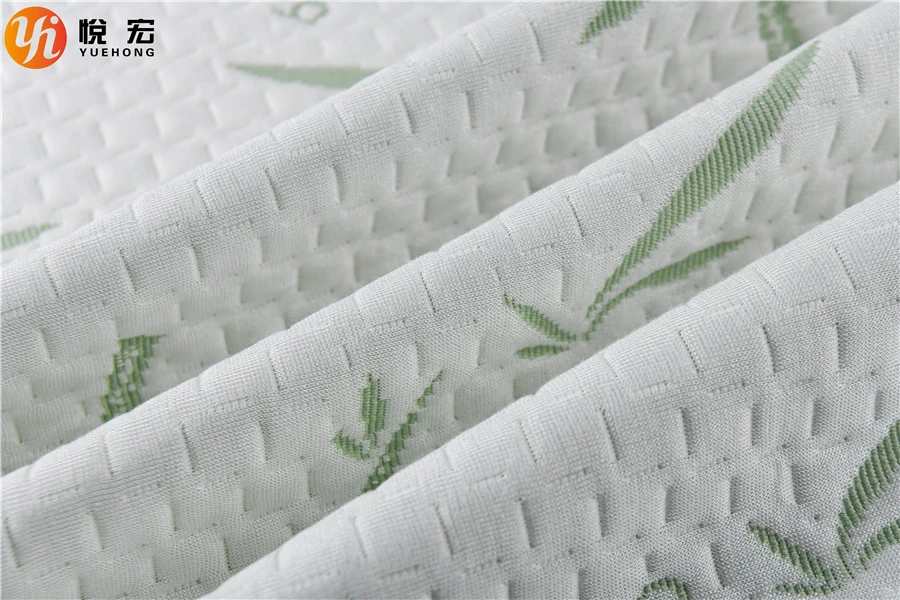
Application of Jacquard Fabric

Clothing
Jacquard cloth is often used for garments such as blouses, skirts, dresses, jackets, and suits. The intricate patterns add elegance to clothing designs.
Upholstery
Jacquard material is popular for upholstery purposes, including furniture, cushions, and decorative pillows. Its texture makes it a preferred choice for adding sophistication to upholstered pieces.
Home Furnishings
Jacquard fabrics are usually used in home decor items like curtains, drapes, bed sheets, and tablecloths. It gives refinement and style to interior spaces, enhancing their overall aesthetic.
Accessories
Jacquard textiles are used in various accessories, including handbags, wallets, belts, scarves, and ties.
Manufacturing Process of Waterproof Jacquard Knit Fabric
Design Creation
The first step in the production process is creating the Jacquard loom fabrics design. It can be done by using punched cards or digital inputs that control the individual threads in the loom. It allows the creation of detailed designs, which is impossible in traditional weaving methods.
Warping
The next step is warping, which involves winding the yarns into a continuous length and preparing them for weaving. The yarns are then arranged into a loom in a specific pattern to create the desired design.
Weaving
Once the yarns are in place, the weaving process begins. The electronic jacquard machine uses perforated inputs to control the distinct threads and create sophisticated patterns. The weft threads are then woven over and under the warp threads to create the fabric.
Finishing
The jacquard fabric pattern goes through a finishing process once it has been woven. It can include washing, trimming, and adding a special finish to enhance the sheen and durability of the fabric.
Quality Control
The final step in the production process is quality control. The jacquard cloth is inspected to ensure that it meets the desired specifications, such as size, pattern, and color. Any defects are corrected before the fabric is packaged and shipped.
Maintenance Tips for Waterproof Jacquard Knit Fabric
Knowing Your Fabric
The first step in jacquard fabric care is understanding the type of fabric you're dealing with. Common jacquard materials include cotton, silk, and synthetic blends. It is crucial to consult the fabric label or manufacturer's instructions to identify the specific type of material used. This information is vital as different fabrics require different cleaning methods.
Regular Maintenance
To maintain the overall appearance and condition of jacquard fabric, regular maintenance is necessary. Start by vacuuming the fabric using a soft brush attachment to remove dust and debris. This prevents particles from settling deep into the fabric, prolonging its lifespan. Engaging in routine maintenance will reduce the need for more extensive cleaning in the future.
Spot Cleaning
Accidents happen, and when a spill occurs, immediate action is crucial to prevent stains from setting into your jacquard fabric. For spot cleaning, blot the affected area gently with a clean, white cloth. Avoid rubbing vigorously as this can spread the stain or damage the fabric. If the liquid is prone to staining, consult the fabric label for recommended stain removers or use a mild detergent diluted in water. Remember to test any cleaning solution on an inconspicuous area of the fabric before applying it to the stained spot.
Hand Washing
Jacquard fabric may require hand washing, especially for delicate materials like silk. Fill a basin with lukewarm water, adding a mild detergent specifically designed for delicate fabrics. Immerse the fabric, gently swirling it around to loosen dirt. Avoid excessive agitation as it can cause damage. Rinse the fabric thoroughly, pressing gently to remove excess water. Finally, lay it flat on a clean towel and roll it up to extract remaining moisture. Hang the fabric to air dry, away from direct sunlight or heat sources.
Dry Cleaning
For heavily soiled or large jacquard fabric items, professional dry cleaning may be the most suitable option. Locate a reputable dry cleaner experienced in handling delicate fabrics. Clearly communicate the composition of your jacquard fabric to ensure the appropriate cleaning methods are employed. Proper dry cleaning helps maintain the integrity of the fabric while effectively removing stains and dirt.
Ironing Tips
Ironing jacquard fabric can help restore its original shape and remove wrinkles. Set your iron to the appropriate temperature based on the fabric type (follow the label's instructions). To prevent direct contact between the iron and the fabric, place a clean towel or thin cotton cloth over the jacquard and iron through the protective layer. Avoid using steam as it can damage certain jacquard materials. Gently glide the iron over the fabric, avoiding vigorous movements or pressing too hard.
Avoiding Things for Jacquard Fabric

Do not wash
The Jacquard fabric should not be washed with water or any other liquids. Instead, use a dry cloth or brush to gently remove any dirt or debris.

Do not bleach
You should not use any bleach or harsh chemicals on the Jacquard fabric, as they can damage the material.

Do not tumble dry
You should not put the Jacquard fabric in a dryer, as the heat can cause it to shrink or become distorted.
Quality
One of the most important factors to consider when purchasing Jacquard knit fabric is the quality of the fabric itself. Look for a fabric that is made from high-quality fibers, such as cotton, silk, or wool, as these materials are known for their durability and longevity. Additionally, pay attention to the weight and thickness of the fabric, as this can impact its drape and performance in your project.
Aesthetic
Jacquard knit fabric is known for its intricate designs and patterns, so it is important to choose a fabric that fits the aesthetic of your project. Whether you are looking for a bold geometric design or a delicate floral pattern, there are many options to choose from. Consider the color and scale of the pattern, as well as the overall look and feel of the fabric, to ensure that it complements your project.
Maintenance Condition
When purchasing Jacquard knit fabric, it is important to consider how the fabric will need to be cared for and maintained. Some fabrics may require special care, such as dry cleaning or hand washing, while others can be machine-washed and dried. Additionally, consider how the fabric will hold up over time, especially if it will be used for a high-wear project such as upholstery or bedding.
Jacquard knit fabric can vary widely in price, depending on factors such as fiber content, design complexity, and brand name. It is important to set a budget for your project and look for fabrics that fit within that budget. Additionally, consider purchasing fabric in bulk or from a wholesale supplier to save money on larger projects.
Choose a Reputable Supplier
Finally, when purchasing Jacquard knit fabric, it is important to choose a reputable supplier. Look for suppliers with a strong reputation for quality and customer service, and consider reading reviews or asking for recommendations from other designers or crafters. Additionally, consider factors such as shipping times and return policies when choosing a supplier.
Sustainability and Eco-Friendliness of Jacquard Fabric
Material Sourcing
The sustainability of jacquard fabric can be enhanced by using eco-friendly fibers such as organic cotton, bamboo, or recycled materials. Sourcing fibers from responsible and certified suppliers helps minimize the environmental impact.
Production Processes
Efforts can be made to reduce water consumption, energy usage, and chemical treatments during the production of jacquard fabric. Implementing eco-friendly dyeing and finishing processes can also contribute to sustainability.
Recycling and Upcycling Possibilities
Jacquard fabric can be recycled or upcycled into new products, reducing waste and extending its lifecycle. Innovative approaches such as using recycled jacquard fabric for new creations or incorporating it into other textiles contribute to a circular economy.
Our Certificate

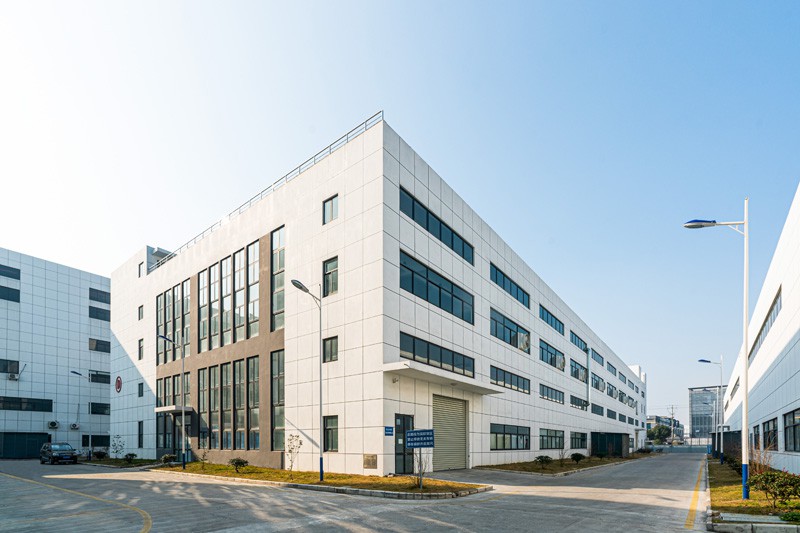
Our Factory



FAQ
Q: Is jacquard fabric waterproof?
Q: Is knit fabric waterproof?
Q: What is modern jacquard fabric?
Q: What is knitted fabric?
Q: Is Jacquard fabric waterproof?
Q: Is Jacquard knit stretchy?
Q: Is knit fabric good for summer?
Q: What is Jacquard knit fabric used for?
Q: What is the difference between knitted fabric and jacquard fabric?
Q: What is the principle of jacquard?
Q: What are the advantages of jacquard fabric?
Q: Is waterproof fabric good?
Q: Is Jacquard knit stretchy?
Q: Is waterproof fabric waterproof?
Q: What is a jacquard knit made of?
Q: What is jacquard fabric used for?
Q: What are advantages of jacquard fabric?
Variations: All jacquards feature woven patterns but differ in composition and style. Jacquard fabric can be sheer and breathable, or opaque and insulating. Depending on the application, jacquard fabric can be manufactured to work in almost any situation.
We're professional waterproof jacquard knit fabric manufacturers and suppliers in China, specialized in providing high quality customized service. We warmly welcome you to wholesale cheap waterproof jacquard knit fabric for sale here from our factory. Contact us for free sample.
French Terry Polyester, Waterproof Polyester Knitted Fabric, Waterproof Crib Mattress Pad