


Established in 2001, Kunshan Yuehong Composite Fabric Co., Ltd is a company specializing in lamination and sewing. Our product range includes waterproof fabrics, mattress protectors, bed covers, bed sheets, and 100% blackout curtains used in homes, hotels, hospitals, and nursing homes.
High Quality
We implement strict inspection standards for every production stage. Our products can withstand over 50 washes in 60-90°C water without leaking, bubbling, or peeling, and retain their original feel and elasticity post-wash. Our products have passed SGS, ITS, and other quality inspection departments, and possess the OEKO-TEX Standard 100 certificate.
Strong Production Ability
We currently have 8 state-of-the-art, wide hot-melt lamination production lines with a monthly capacity of over 2 million meters. We can produce up to a maximum width of 310cm. We export our products to Europe and America, collaborating with worldwide partners such as IKEA, Target, Walmart, and Saferest.
Advanced Equipment
Our facility is equipped with 8 advanced hot-melt wide laminating machines and 50 high speed sewing machines, enabling us to maintain a high level of production efficiency.
Custom Service
We offer samples, quotations, and quality confirmation before you place an order. Our customization service allows you to specify the color, size, texture, and material of the waterproof fabric. In the event of any quality issues, we will actively cooperate to resolve them until the customer is satisfied.
What Is Waterproof Polyester Knitted Fabric
Waterproof polyester knit fabric is a synthetic, man-made fabric made of the most widely used fiber in the world. It is made from synthetic fiber derived from polymers (Polyethylene Terephthalate) by taking it through several chemical and manufacturing processes to produce yarn, which is ultimately knitted into garments. Polyester textiles can be used to replicate or substitute natural fibers, as well as blended with other fibers such as polyester-cotton blends, polyester-rayon blends, and so on.


Benefits of Waterproof Polyester Knitted Fabric
Moisture-Wicking
Polyester is hydrophobic, which means that it does not absorb water easily. This makes it a good choice for moisture-wicking applications, as it can quickly wick moisture away from the skin and help keep the wearer cool and dry.
Breathability
Polyester knit fabric is well-breathable, which means that air may easily pass through it. This makes it a good choice for garments and other products that require good ventilation and airflow.
Durability
Polyester is a strong and durable fiber, and knitted polyester fabric is no exception. It is resistant to tears, abrasion, and other types of wear and tear, making it suitable for use in a wide range of applications.
Easy Care
Knitted polyester fabric is resistant to wrinkling, shrinking, and fading, making it easy to care for and maintain. It can be machine-washed and dried and does not require ironing.
Versatility
Knitted polyester fabric is available in a wide range of weights, textures, and colors, making it apt for use in a variety of applications. It can be blended with other fibers to create fabrics with different properties, and it can be used to create a variety of garments, home textiles, and technical textiles.
Affordability
Knitted polyester fabric is relatively inexpensive compared to other fabrics, making it a popular choice for many applications. It is also widely available and easy to work with, making it a convenient choice for many manufacturers.
Composition and Structure
Polyester knitted fabric is primarily composed of synthetic polyester fibers. These fibers are created through a process known as polymerization, where petrochemicals are transformed into long chains of polymer molecules. The resulting material is strong, resilient, and highly resistant to external factors. The structure of the polyester knitted fabric is created through the knitting process, where loops of yarn are interlocked to form a flexible and stretchable textile. The way these loops are arranged can vary, leading to different types of knitted fabrics, each with its unique characteristics.
Stretch and Recovery Properties
One of the standout features of polyester knitted fabric is its excellent stretch and recovery properties. It can stretch in multiple directions, providing a comfortable and form-fitting feel when worn. The fabric has a remarkable ability to return to its original shape after stretching, ensuring that garments made from it retain their shape and fit over time.This inherent elasticity makes polyester knitted fabric ideal for activewear, sportswear, and other applications where freedom of movement is crucial. It allows the fabric to move with the wearer, enhancing comfort and performance.
Ethylene Polyester
Ethylene polyester, also known as PET, is the most popular type of polyester on the market. In most contexts, the word “polyester” is synonymous with “PET” even though other types of polyester exist.
Plant-Based Polyester
The main advantage of plant-based polyester is that this fabric is biodegradable. Plant-based polyester, however, costs more to make, and it may be less durable than its PET or PCDT textile equivalents.
PCDT Polyester
While PCDT polyester isn't as popular as PET polyester, it is more elastic, which makes it ideal for certain applications. PCDT polyester is also more durable than PET polyester, so this fabric is frequently preferred for heavy-duty applications like upholstery and curtains.
Knitted Fabric Types
French Terry Fabric
French Terry It is a type of Weft Insertion Jersey. The piles on the fabric are not napped and the technical back of the fabric is used as the face side. French Terry has loops or piles on one side only. The piles of the French Terry are much shorter when compared to the usual Terry. The fabric has excellent stretch and gives fleece like a handle. These features make the fabric more comfortable hence, they are popularly used in clothing, especially for infants and kids. French Terry is widely used in sportswear, jogging suits, and workout suits owing to its absorbency and stretch.
Warp Knitted Fabric
Warp-knitWarp knitted fabrics are made in a special knitting machine with yarns from the warp beam. Unlike weft knits, they are knitted from multiple yarns, with yarns forming loops in adjacent wales. The fabric may be identified with a pick glass. The face side of the fabric has slightly inclined vertical knitting loops whereas the backside of the fabric has inclined horizontal floats. They do not ravel. Warp knit fabrics are constructed with yarn loops formed in a vertical or warp direction. All the yarns used for the width of a warp knit are placed parallel to each other like the placement of yarns in weaving. The fabrics that are made of great quality with the technique are generally made with Tricot and Raschel knits.
Jacquard Knit Fabric
Jacquard-KnitJacquard Jerseys are single jersey fabrics made of Circular Knitting machines using the jacquard mechanism. They are the simplest method of making patterned fabrics. Jacquard fabrics have different colored loops made of different threads in the same course. Floats are an inherent feature of single-jersey jacquards. They are widely used in the sweater industry.
Double Knit Fabric
Double-knit Double Knits are made from interlock stitches and their variations. The process involves the use of two pairs of needles set at an angle to each other. Fibers that the generally used to make double knits are polyester and wool. Double knits are weft-knitted fabrics made with two sets of needle beds. The fabric structure is more stable and compact. The fabrics do not curl at the edges and do not ravel. They may be made with interesting designs and textures. One or two yarns are used to knit one course in the fabric.
Applications of Waterproof Polyester Knitted Fabric


Apparel
Polyester knitted fabric is commonly used in the production of apparel, including t-shirts, dresses, activewear, and loungewear. Its breathable and moisture-wicking properties make it suitable for sportswear, while its durability and versatility make it a popular choice for everyday clothing.
Home Textiles
Polyester knitted fabric is also used in the manufacture of home textiles such as curtains, upholstery, and bed linens. Its resistance to fading, shrinking, and wrinkling makes it a practical choice for home décor.
Industrial Applications
Due to its strength and durability, polyester knitted fabric is used in various industrial applications such as filtration systems, automotive interiors, and protective clothing. Its resistance to chemicals and high temperatures makes it suitable for these demanding environments.
Accessories
Knit fabric is commonly used to make scarves, hats, and other accessories. Its stretchiness allows it to easily conform to different head and neck shapes, making it a popular choice for these items. Knit fabric is also a popular choice for socks due to its ability to stretch and conform to the feet, providing comfort and support.
Cleaning And Maintenance Tips For Waterproof Polyester Knitted Fabric
5 Top Care Tips
Choose High-Quality Fabrics
Investing in high-quality outdoor fabrics can make a big difference in their longevity and ability to withstand the elements. Look for fabrics that are made specifically for outdoor use, and that are resistant to fading, mildew, and water damage.
Protect Fabrics From The Elements
Even high-quality fabrics can be damaged by exposure to the sun, rain, and wind. To protect your outdoor fabrics, consider using covers, awnings, or umbrellas to shield them from direct sunlight and rain. You can also move them to a covered area during particularly harsh weather.
Clean Fabrics Regularly
Regular cleaning is essential to keeping your outdoor fabrics looking and feeling their best. Avoid using harsh detergents, bleach, or fabric softeners, as these can damage outdoor fabrics.
Store Fabrics Properly During The Off-Season
When the outdoor season comes to an end, it's important to store your fabrics properly to protect them from damage during the off-season. Make sure they are completely dry before storing them, and store them in a cool, dry place where they won't be exposed to moisture or pests.
Address Stains And Damage Immediately
If you notice stains or damage on your outdoor fabrics, it's important to address them immediately. Blot up spills and stains as soon as they occur, and treat them with a specialized cleaner as soon as possible.
Tips For Cleaning Outdoor Fabrics
Brush Off Loose Dirt And Debris
Use a soft-bristled brush or a vacuum with a soft brush attachment to remove any loose dirt and debris from the fabric.
Spot Clean Stains
If there are any stains on the fabric, use a solution of mild detergent and water to spot-clean the area. Test the solution on a small, inconspicuous area first to make sure it doesn't discolor the fabric. Use a soft-bristled brush to gently scrub the stain, and then rinse with clean water.
Use a Specialized Cleaner
For more stubborn stains or dirt, use a specialized outdoor fabric cleaner. Follow the instructions on the cleaner carefully and rinse thoroughly with clean water after use. With a microfibre cloth or a sponge, wipe the fabric down. If you encounter dried bird droppings, leave a damp cloth on the affected area for a few minutes. The warmth of the water can help to loosen the droppings, making them easier to wipe away. It's best to avoid scrubbing the area if possible.
Protect The Fabric
To prevent future stains and dirt from accumulating on the fabric, you can treat it with a fabric protector spray. This will help repel water and stains and make it easier to clean in the future.
The Weight
Polyester fabric's weight affects how it's wavy or steady. Lightweight polyester fabric is ideal for projects requiring many wavy, such as t-shirts or tablecloths. Heavier polyester fabric is better suited for projects that require more steadiness, such as upholstery or slipcovers.
The Texture
Polyester fabric knitting's structure affects how it feels when worn or touched. Polyester fabric can be knitted in various ways, resulting in different textures. Smooth polyester fabric is ideal for clothing, while the rougher polyester fabric is better suited for home décor products.
The Color
The color is also important. It depends on the usage or activities. Here are the tips:
- Fashion industry, such as fashion clothing or cloth bags, any color is applicable.
- Daily use, such as T-shirts or uniforms, should be an appropriate color to look polite and easy to wear.
- Outdoor stuff, like streetwear, should be mid to dark colors. A lot better to cover up stains, sweat, and dirt than lighter colors. But actually, light color also works because Polyester fabric dries quickly and is easier to clean than natural fibers.
The Breathability
Polyester fabric has a different breathability level. Some polyester fabric has gone through chemical processing, making it as breathable as natural fabrics, suited for t-shirts, casual clothing, etc. On the other hand, some polyester fabric has a mechanical pile brushing process, making it good at retaining warmth, ideal for hoodies, blankets, sweaters, etc.
Textile Manufacturing Process
Fiber Selection and Preparation
The journey of textile manufacturing begins with the selection of appropriate raw materials, known as fibers. These fibers can be natural, such as cotton, silk, wool, or linen, or synthetic, including polyester, nylon, and acrylic. The chosen fiber greatly influences the texture, appearance, and properties of the final textile. Once selected, the fibers undergo cleaning, sorting, and blending processes to remove impurities and create a consistent material. This preparation ensures that the fibers are ready for the subsequent stages of production. Without the selection of proper fiber, Textile manufacturing cannot be done properly.
Spinning In Textile Manufacturing Process
Spinning is the second fundamental process of textile manufacturing. It is the process of transforming raw fibers into yarn, the fundamental building block of textiles. This stage involves twisting and stretching the fibers to create a continuous strand of thread. Traditional methods involve using a spindle, while modern manufacturing employs spinning machines for increased efficiency and precision. The thickness and quality of the yarn determine the textile's strength, durability, and texture.
Weaving or Knitting
In the Textile manufacturing process, there are three processes to form fabric such as weaving, knitting, and non-woven process. After spinning, the yarn is ready to be transformed into fabric through weaving or knitting. In weaving, vertical (warp) and horizontal (weft) threads intersect at right angles to create various patterns. Different weaving techniques, such as plain, twill, and satin weaves, produce different textures and appearances.
Weaving Process
Knitting, on the other hand, involves interlocking loops of yarn to create fabric. This technique offers greater flexibility and is commonly used for knitwear and stretchy materials.
Dyeing and Printing
Dyeing is the most important part of the textile manufacturing process. Once the fabric is woven or knitted, it's often treated with dyes or prints to enhance its aesthetic appeal. Dyeing involves immersing the fabric in a colored solution, allowing the fibers to absorb the dye. Printing uses various methods, such as screen printing, digital printing, and block printing, to apply patterns or designs onto the fabric's surface.
Finishing in Textile Manufacturing Process
Finishing is a crucial step that enhances the textile's appearance, texture, and functionality. It involves processes like bleaching, sizing, and coating to improve qualities such as softness, water resistance, and wrinkle resistance. Finishing can also include mechanical processes like brushing or sanding to achieve specific textures.
Quality Control
Throughout the manufacturing process, rigorous quality control checks are performed to ensure that the textiles meet the desired standards of process control in textile manufacturing. These checks encompass various factors, including color consistency, fabric strength, dimensional stability, and overall appearance.
Our Certificate

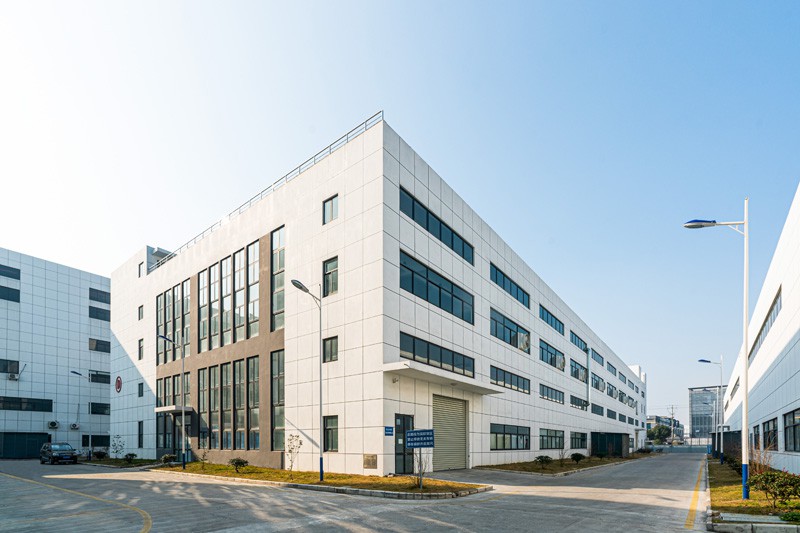
Our Factory



Frequently Asked Questions
Q: Is polyester fabric waterproof?
Q: What does polyester feel like?
Q: Is 100% polyester woven or knit?
Q: What is the difference between knitted polyester and woven polyester?
Q: Is polyester fabric stretchy?
Q: What is the knitted polyester fabric?
Q: What is the polyester knit fabric?
Q: Is polyester knitted fabric breathable?
Q: Can polyester knitted fabric cause skin irritation?
Q: Can polyester knitted fabric shrink?
Q: Can polyester knitted fabric be recycled?
Q: How does polyester knitted fabric compare to other fabrics?
Q: What are the components of polyester fabric?
Q: What makes polyester waterproof?
Q: What are advantages of knitted waterproof fabrics?
We're professional waterproof polyester knitted fabric manufacturers and suppliers in China, specialized in providing high quality customized service. We warmly welcome you to wholesale cheap waterproof polyester knitted fabric for sale here from our factory. Contact us for free sample.
Quilted Waterproof Fabric, Poly Knit Fabric for Summer, Ultrasonic Waterproof Quilted Fabric