


Established in 2001, Kunshan Yuehong Composite Fabric Co., Ltd is a company specializing in lamination and sewing. Our product range includes waterproof fabrics, mattress protectors, bed covers, bed sheets, and 100% blackout curtains used in homes, hotels, hospitals, and nursing homes.
High Quality
We implement strict inspection standards for every production stage. Our products can withstand over 50 washes in 60-90°C water without leaking, bubbling, or peeling, and retain their original feel and elasticity post-wash. Our products have passed SGS, ITS, and other quality inspection departments, and possess the OEKO-TEX Standard 100 certificate.
Strong Production Ability
We currently have 8 state-of-the-art, wide hot-melt lamination production lines with a monthly capacity of over 2 million meters. We can produce up to a maximum width of 310cm. We export our products to Europe and America, collaborating with worldwide partners such as IKEA, Target, Walmart, and Saferest.
Advanced Equipment
Our facility is equipped with 8 advanced hot-melt wide laminating machines and 50 high speed sewing machines, enabling us to maintain a high level of production efficiency.
Custom Service
We offer samples, quotations, and quality confirmation before you place an order. Our customization service allows you to specify the color, size, texture, and material of the waterproof fabric. In the event of any quality issues, we will actively cooperate to resolve them until the customer is satisfied.
What Is Quilted Waterproof Fabric
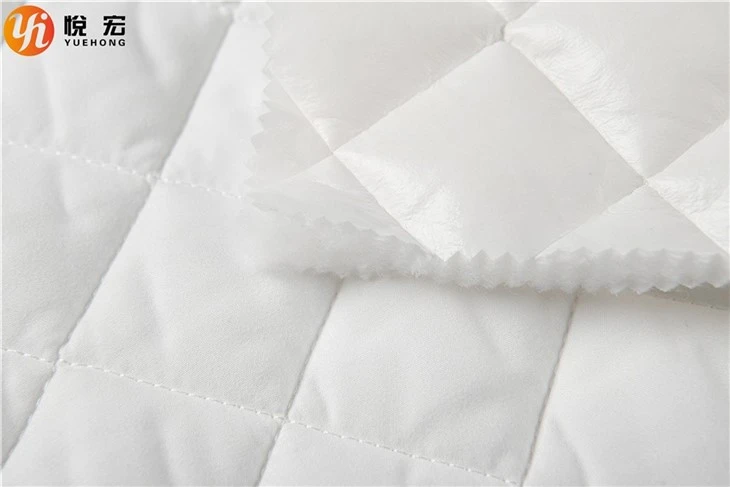
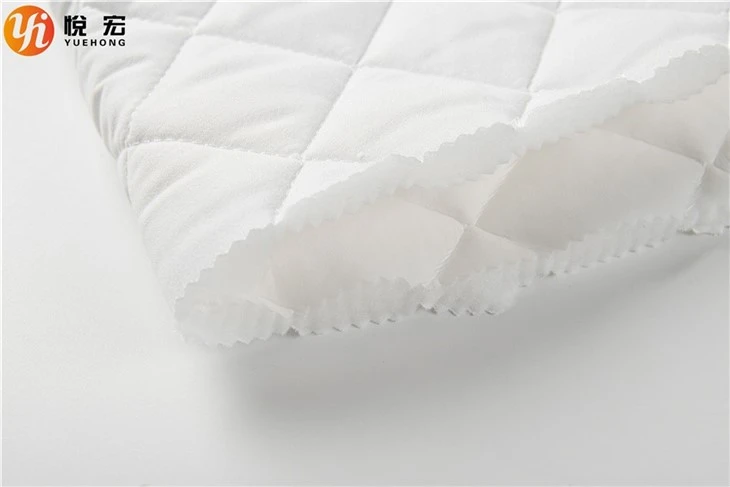
Quilted waterproof fabric is a special kind of cloth that's known for its diamond grid pattern. It's made of three layers: a top layer, a middle layer with cotton or soft material, and a bottom layer. These layers are sewn together in a regular pattern to make a unique quilted design. This doesn't just make it look good; it also makes the fabric really useful. Quilted fabric keeps you warm and cozy because of the soft layer in the middle. People use it for making blankets, bedspreads, jackets, and bags. It's great for both feeling comfy and looking nice in different things.


Layered Structure
It has three layers. The outside layer looks good and protects the fabric.
Middle Layer of Wadding
In the middle, there's a layer made of soft material like cotton or polyester. It keeps the fabric warm.
Sandwiched Construction
The soft layer is between two woven layers of fabric. These can be made from different materials like cotton, silk, or synthetic stuff.
Stitching
They use stitches to keep the layers together. The stitches make the special diamond pattern we see in quilted fabric.
Durability
The quilted fabric is strong. The stitches keep the layers from moving or coming apart when you use it or wash it.
Insulation and Comfort
The soft layer makes the fabric warm and comfy. It's great for things like blankets, jackets, and cozy clothes.
Versatility
Quilted fabric can be used for many things like bedding, furniture, bags, and accessories. The quilted pattern makes these things look interesting.
Decorative Potential
You can make pretty patterns with quilted fabric. You can choose simple or fancy designs to be creative.
Types of Quilted Waterproof Fabric
Quilter's Weight Cotton: It's a medium-weight cotton made for quilting. It's strong, easy to sew, and comes in lots of prints and colors for different quilting projects.
Voile: Voile is a light and see-through fabric. It's used for delicate and airy quilts or for making fancy clothes and home decorations.
Cotton Flannel: Cotton flannel is warm and soft. It has a slightly fuzzy feel. People use it for quilts, blankets, and cozy clothes, especially in cold weather.
Quilter's Linen: This fabric looks like linen but is made from cotton. It has a slightly rough texture, giving quilts a rustic and natural look. People use it for vintage or farmhouse-style quilts.
Wool: Wool is a natural material that's very warm. Quilted fabric with wool is great for making comfy quilts that keep you warm in the cold. Wool quilts last a long time and help control your body temperature.
Cotton Decorating Fabric: This is printed cotton fabric used in quilting. It comes in many designs, patterns, and weights, so you can be very creative. People like it for its bright colors and pretty prints.
Essex Linen: Essex linen is a mix of linen and cotton, which makes it strong and gives it a natural look. It's good for all kinds of quilting projects, whether they're traditional or modern.
Bedding
It's used to create quilts, comforters, bedspreads, and blankets. The fabric is warm and comfortable for a restful night's sleep due to the layers and stitching.
Clothes: Vests, coats, jackets, and other outdoor attire are made from quilted fabric. It looks fashionable and is ideal for cold weather because of the padding and warmth.
Furnishings
It is employed for both indoor and outdoor furnishings, such as sofas, chairs, and cushions. It provides more comfort and texture.
Horse Riding: Saddle cushions, horse blankets, leg wraps, and safety gear are examples of equipment using quilted fabric. It works well to protect and cushion the horses.
Automobiles
It is utilized inside autos as well as for car boot liners and seat covers in the automotive industry. It is robust, keeps you warm, and is very user-friendly.
Bags and Accessories: It is utilized in the production of purses, totes, and travel gear. These pieces are made sturdy and fashionable by the quilting, which also gives a unique texture.
Home Decor
Placemats, table runners, drapes, and other home décor items all feature it. It looks good in your house, maintains warmth, and has lovely designs.
DIY Projects and Crafts
Quilted cloth is used in a variety of crafts, including wall hangings, pot holders, jewelry, and ornaments. You may be imaginative and customize things because it is available in a variety of hues and designs.
Maintain and Clean Quilted Waterproof Fabric


Spot Cleaning
Before washing these fabrics, remove any dirt or debris using a soft-bristled brush or cloth. Avoid using harsh brushes or scrubbing too hard as this can damage the fabric's protective layer.
Washing with Detergent
When washing these fabrics, use a mild detergent and chilly water. Avoid using fabric softeners or bleach, as they can damage the waterproof coating. Turn the fabric inside out to protect the waterproof membrane and wash it on a gentle cycle.
Drying and Reapplying Waterproofing Agents
Once washed, hang the fabric to air dry. Avoid drying it in direct sunlight, as this can cause fading and weaken the fabric's waterproofing ability. After drying, consider reapplying a waterproofing agent to maintain its effectiveness.
Mistakes to Avoid When Cleaning Waterproof Fabrics
Using Fabric Softener
Fabric softeners can clog the pores in the fabric, making it less breathable and reducing its waterproofing ability. Avoid using fabric softeners when washing this fabrics.
Using Bleach
Bleach is one of the commonly used cleaning agents in the laundry process to remove stubborn stains. However, the use of bleach can also lead to unwanted issues. Bleach can damage the waterproof membrane and reduce its effectiveness. Avoid using bleach when washing waterproof fabrics.
Ironing
Ironing can damage the fabric's waterproof membrane and can ruin its protective layer. Avoid ironing this fabrics, and if necessary, be sure to use the lowest heat setting on your iron. This will help minimize the risk of damage to the fabric's waterproof coating..
How to Store Waterproof Fabrics
Proper storage is essential to maintain the effectiveness of waterproof fabrics. To store this fabrics, follow these tips:
Proper Storage Techniques
Store waterproof fabrics in a dry, cool place. Avoid storing them in damp or humid areas, as this can cause mildew growth and damage the fabric's protective layer.
Avoiding Sunlight Exposure
Sunlight exposure can cause fading and weaken the fabric's waterproofing ability. Store this fabrics away from direct sunlight.
Washing this fabrics may seem impossible at first; because how can you wash something that is waterproof? But now, since you know, we ensure your waterproof fabrics longevity and quality performance.
Level Of Waterproof
The waterproof fabric is measured in terms of its hydrostatic pressure, which is the amount of water pressure the fabric can withstand before it leaks. Generally, the higher the hydrostatic head, the more waterproof the fabric. A highly waterproof fabric may be more important for hiking and climbing in wet or rainy conditions.
Fabric Breathability
Breathability is the ability of a fabric to allow moisture and vapor to escape, which helps to prevent overheating and discomfort. Highly waterproof fabrics can sometimes be less breathable, so it's important to choose a fabric with a balance between waterproofness and breathability that suits your needs.
The Durability Of The Fabric
The fabric's durability refers to its ability to withstand wear over time. A durable fabric will withstand repeated use and exposure to the elements without losing its waterproofness or other properties. Generally, woven fabrics are more tear-resistant than knitted ones. Water-repellent or other functions assisted by chemical dyeing, finishing, and post-processing, such as coating and lamination, will affect the functional performance due to washing. After 20 home laundry cycles, conventional DWR only retains 80% efficiency, but SOLAPEL can maintain 70% efficiency even after 120 home laundry cycles.
Fabric Weight
The weight of a fabric is an important factor to consider, especially in applications where weight is a concern, such as backpacking or other outdoor activities. A lightweight waterproof fabric is generally more convenient to carry but may sacrifice some durability or waterproofness.
Fabric Cost
The cost of fabric is also an important factor to consider, especially if you are working with a budget. Some high-performance fabrics can be expensive, so choosing a fabric that balances performance and cost is important.
Manufacturing Process of Quilted Waterproof Fabric
Cut The Main Fabric
After gathering your supplies, place your main fabric on a cutting mat and cut to 62" x 29" using the45 mm rotary cutter and a ruler connector set to help you make longer cuts.
Sew The Contrast Fabric
Using your sewing machine, sew the contrast fabric strips together with a ¼" seam allowance.
Sew The Binding Strips
Sew the strips together. Check that they are long enough to go around the entire perimeter of the quilt. Place two strips together with the right sides facing each other. The strips should be perpendicular to each other. Sew across the diagonal. Trim the excess by ¼".
Sew The Binding To The Quilt
Place the binding against the edge of the quilt. The raw edge of the binding should align with the raw edge of the quilt. Sew the binding to the right side of the quilt, a ¼" away from the edge. Leave a 3" tail at the beginning.
Sew Around The Corners
When you come to a corner, sew in a straight line until you are about ¼" away from the end. Pivot the quilt so that you finish stitching at a 45 degree angle to your seam. Remove the quilt from the machine and fold over the binding. Begin sewing again from the top of the new edge.
Join The Binding Ends
Fold the end of one binding tail to create a neat, folded edge. Place the second tail inside the folded end. Join the ends by sewing them together.
Finish The Quilt
Use the table shears to again trim the batting to ½" and then switch to your original scissors or stick with your rotary cutter to trim the top to ½". Fold the binding and sew by hand to the wrong side of the quilt.
Comparing Quilted And Ultrasonic Fabrics In Home Textiles
Comfort And Luxury
Quilted fabric, traditionally crafted by stitching multiple layers with padding in between, offers a classic look and plush feel that exudes comfort and luxury. in contrast, ultrasonic fabric, known for its modern, streamlined appearance, is generally thinner and sleeker than quilted fabric. while ultrasonic fabric is often utilized for technical applications like medical equipment covers or automotive seat covers, quilted fabric is commonly associated with bedding and upholstery.
Maintenance And Care
Proper care and maintenance are essential for both quilted fabric and ultrasonic fabric to ensure their longevity. quilted fabric requires regular washing and maintenance to preserve its shape and stitching, while ultrasonic fabric, although less likely to need washing, may necessitate more frequent replacement due to wear and tear. it's crucial to store both types of fabric properly to prevent damage from moisture, sunlight, and pests. following the manufacturer's care guidelines is vital for preserving the quality of the fabric. by adhering to these maintenance practices, you can extend the lifespan of your quilted or ultrasonic fabric and continue to enjoy its benefits for a longer period.
Environmental Impact Of Quilted And Ultrasonic Fabrics
Polyester fabric, a common material in q1, is often used in both quilted and ultrasonic fabrics, impacting the environment differently. the manufacturing process of a quilted fabric involves stitching layers of fabric and padding together, whereas ultrasonic fabric is bonded using high-frequency vibrations, reducing the need for additional materials and energy. this difference affects their carbon footprint and recyclability, with quilted fabric generally having a higher impact due to its stitching process and varied materials. recyclability and sustainability must be considered when choosing between these fabrics.
Manufacturing Process And Carbon Footprint
The production of quilted fabric involves the stitching of multiple layers, resulting in a thicker and more padded material. in contrast, ultrasonic fabric is created by fusing with high-frequency sound waves, yielding a thinner and lighter product. the manufacturing process for quilted fabric requires more energy and machinery, leading to a higher carbon footprint. conversely, ultrasonic fabric boasts a more efficient production process, minimizing energy usage and waste generation. ultimately, the choice between the two fabrics depends on the specific requirements and preferences of the intended product.
Recyclability And Sustainability
In terms of recyclability and sustainability, ultrasonic fabric stands out due to its eco-friendly production process. this fabric is often made from recycled polyester, contributing to environmental conservation. additionally, ultrasonic fabric is known for its longevity, reducing the frequency of replacements and minimizing waste.
Our Certificate

Our Factory




FAQ
Q: What is quilting fabric?
Q: What are the characteristics of water-repellent fabrics?
Q: What are the features of quilted fabric?
Q: What is quilted material?
Q: What is the difference between waterproof and water-repellent fabric?
Q: Is quilting fabric different than other fabrics?
Q: What makes quilting fabric different?
Q: What is high-quality quilting fabric?
Q: How is quilted fabric constructed?
Q: What are the 4 basic types of quilting?
Q: What is the feature of quilted fabric?
Q: What is the difference between quilting fabric and cotton fabric?
Q: What is a quilting fabric called?
Q: What is the composition of quilting fabric?
Q: Is quilted fabric waterproof?
Q: Is quilting fabric made of cotton?
We're professional quilted waterproof fabric manufacturers and suppliers in China, specialized in providing high quality customized service. We warmly welcome you to wholesale cheap quilted waterproof fabric for sale here from our factory. Contact us for free sample.
Waterproof Microfiber Fabric, Poly Knit Fabric for Summer, Polypropylene Fabric Waterproof